Rise Anyway: Strength in the storm.
There are seasons in life when everything feels heavy. Plans fall through, relationships shift, doors close, and the path you thought was clear suddenly disappears. In those moments, it’s easy to believe you’re not strong enough, not prepared enough, or simply not built for this much pressure.
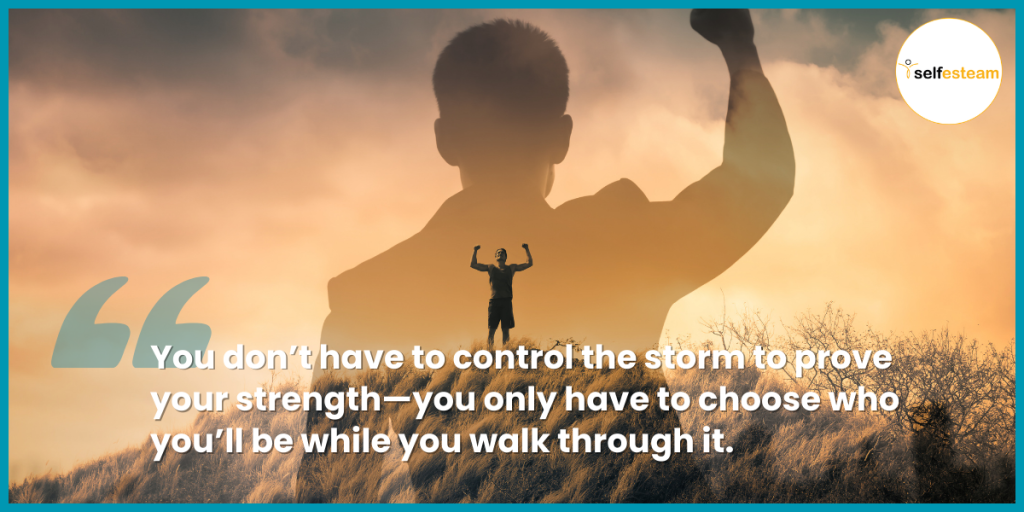
Your circumstances may shake you, but they do not get to decide how deeply your roots can grow.
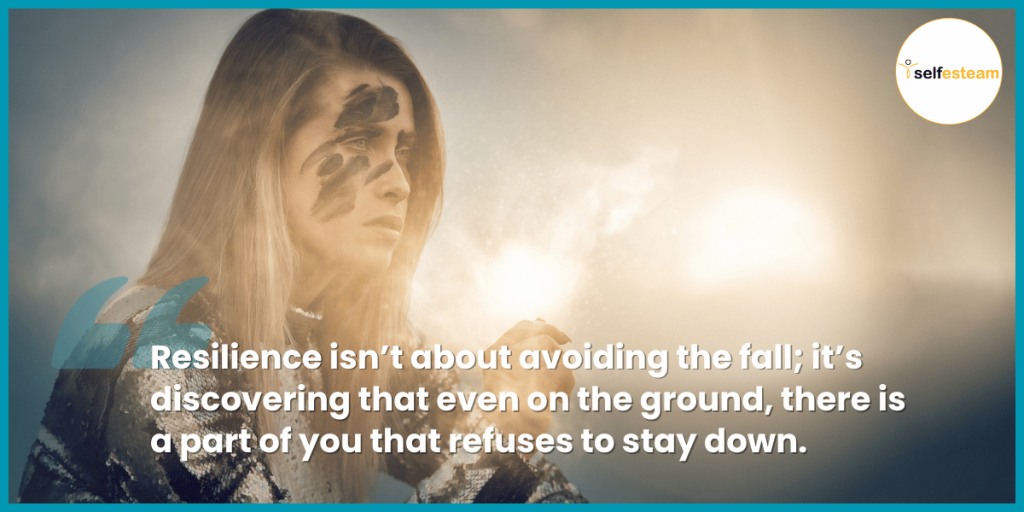
But resilience is not something only a few people are born with. It is a quiet strength that can be built from the inside out—a way of seeing yourself and your challenges that allows you to bend without breaking.
Resilience starts on the inside
When we think about resilience, we often picture people who “push through” no matter what. Yet real resilience is less about forcing yourself to be okay and more about learning how to stay grounded, honest, and hopeful in the middle of hard things.
It begins with how you see yourself. If your inner story says, “I always fail,” “I can’t handle this,” or “I don’t matter,” every obstacle will feel like proof. When your inner story says, “I am learning,” “I am growing,” and “I am worthy of another try,” the very same obstacle becomes an opportunity to practice strength.
Building resilience from within means gently rewriting that inner story—one thought and one choice at a time.
Step 1: Notice your inner voice
Your inner voice is the first place resilience either grows or weakens. Many of us speak to ourselves in ways we would never speak to a friend: harsh, impatient, unforgiving.
Try this simple practice:
- When something goes wrong, pause and listen.
- Ask, “What am I saying to myself right now?”
- If those words are heavy and cruel, ask, “What would I say to someone I care about in this same situation?”
Then, offer yourself that same compassion. This doesn’t erase responsibility or effort—it simply gives you a healthier foundation to rise from. Kindness toward yourself is not a luxury; it is a resilience strategy.


Step 2: Accept what you cannot change
Resilience does not mean pretending everything is fine. It means acknowledging what is real and choosing how you will respond to it.
Acceptance sounds like:
- “This is hard, and I didn’t choose it.”
- “I can’t change what happened, but I can decide what I do next.”
Acceptance is not giving up. It is the moment you stop fighting reality and start using your energy to move forward.
Only when you accept where you are can you decide where you want to go.
Step 3: Strengthen your daily anchors
Resilience is not built only in crises. It is shaped by the small habits you repeat every day—your “anchors.”
These are practices that bring you back to yourself when life feels turbulent.
A few examples:
- Taking 3–5 deep breaths before reacting in stressful moments
- Writing down one thing you’re grateful for each day
- Going for a short walk to clear your mind
- Setting a simple boundary, like logging off work at a certain time
Individually, these habits look small. Together, they remind your mind and body that you are not powerless.
You are allowed to care for yourself, even while you are carrying a lot.

Step 4: Lean on safe people
“From within” doesn’t mean “by yourself.” Some of the strongest people you know are strong because they have learned to lean on others—friends, mentors, family, community, or faith leaders.
Sharing what you’re going through does not make you a burden. It makes you human. Letting someone in can:
- Lighten the emotional load you’re carrying
- Give you perspective you can’t see on your own
- Remind you that you are not alone in this
Resilience grows in honest conversations, shared tears, and quiet encouragement just as much as it grows in private reflection.
Step 5: Turn pain into meaning
Every difficult season carries at least one gift: insight.
You don’t have to be grateful for the pain to learn from it. Looking back with curiosity instead of shame can turn your experiences into wisdom.
Ask yourself:
- What did this season show me about my strength or limits?
- What do I want to do differently next time?
- How could my story encourage someone who is going through something similar?
When you allow your experiences to shape your character, boundaries, and compassion, your past stops being just a scar. It becomes part of your training.
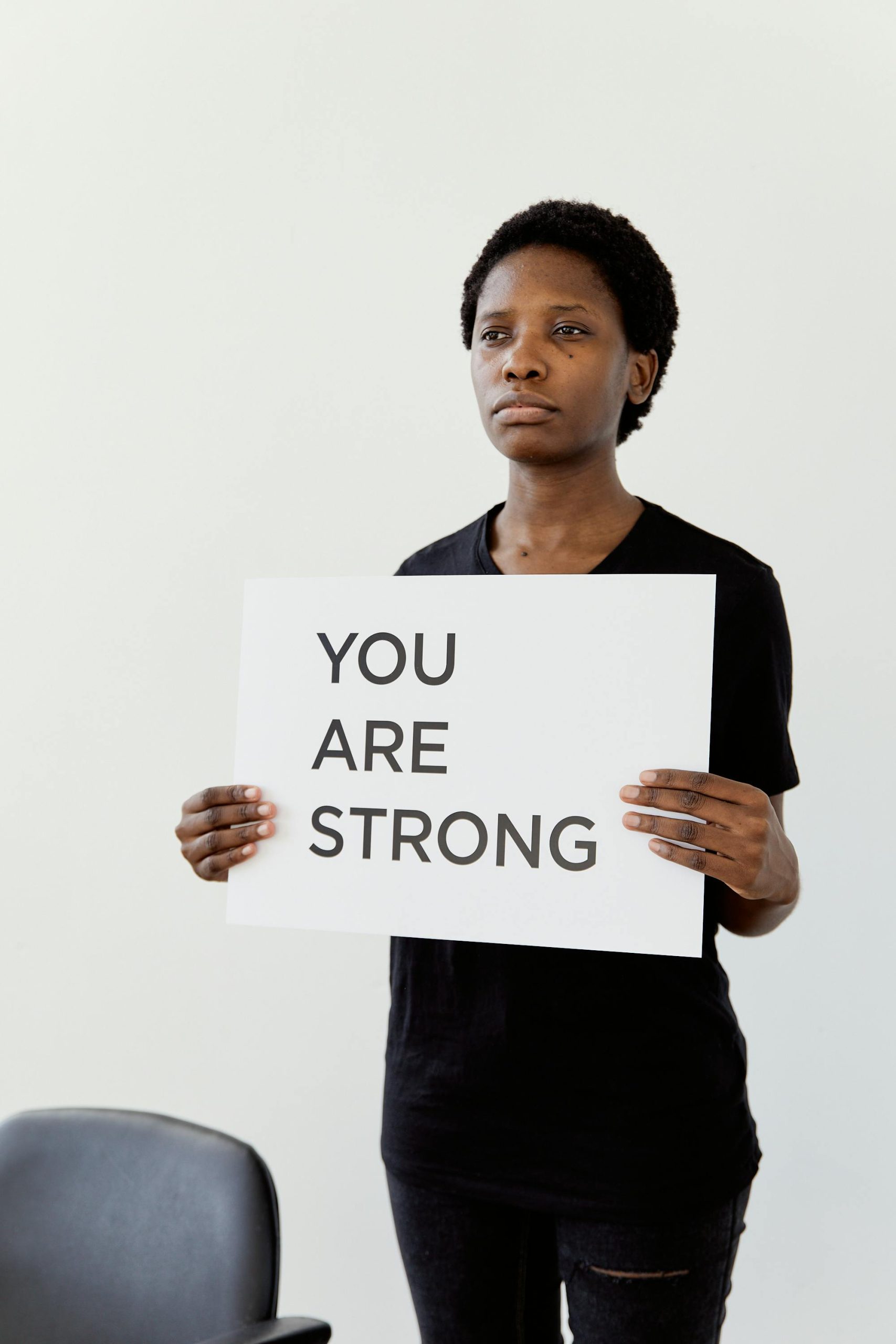
You are already stronger than you think
Building resilience from within is not about becoming unshakable overnight. It is about small, consistent choices: choosing kinder words, accepting what you cannot change, practicing daily anchors, reaching out, and learning from what you’ve walked through.
You may not always feel strong, but the fact that you are still here—reading, reflecting, trying again—is evidence that strength is already in you.
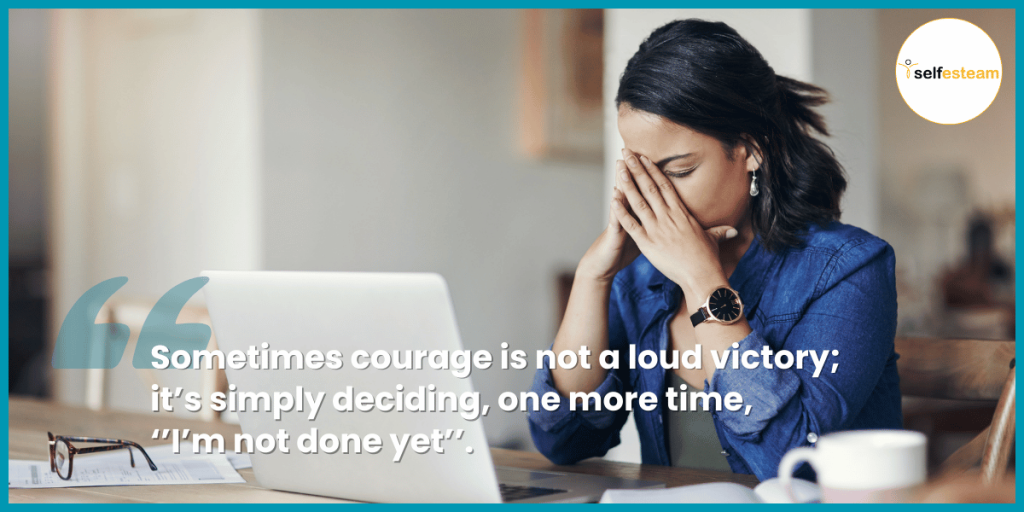
You don’t have to wait for life to be easy to begin living with courage. Right where you are, with what you have, you can take one small step today toward a more resilient you.